
TL;DR: Singapore companies file one of three corporate tax returns. Form C-S (Lite) is for annual revenue of $200,000 or below, Form C-S for $5 million or below with straightforward income, and Form C for everything else. All are due by 30 November 2026 for YA 2026.
If you are shortlisting corporate tax filing services Singapore providers this year, settle the form question first. Get it wrong and IRAS may ask you to resubmit, which delays your Notice of Assessment and, in a bad month, your bank facility or tender submission too. Miss the 30 November deadline altogether and the exposure is sharper: penalties of up to $5,000, an estimated Notice of Assessment you still have to settle, and a summons to court. The decision comes down to two numbers and a short list of conditions.
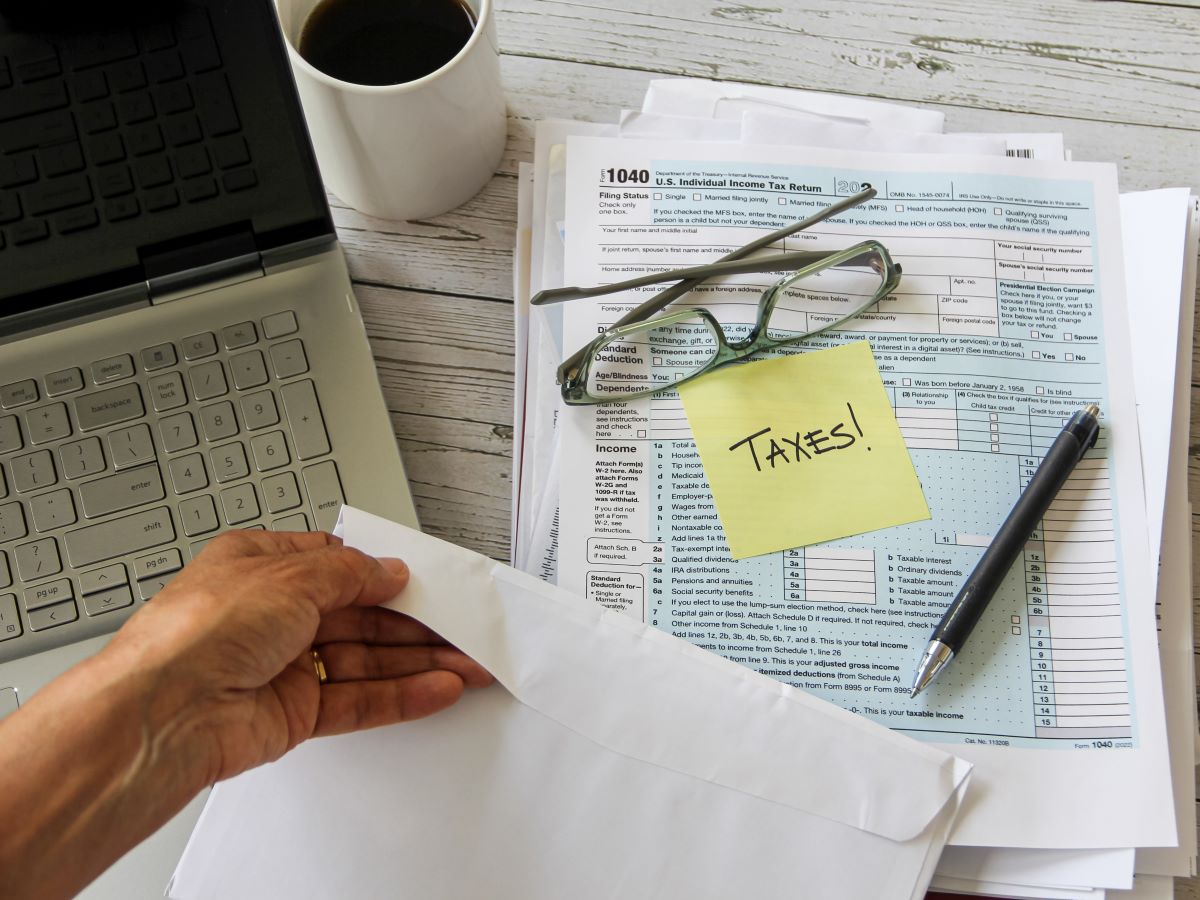
What are Form C-S, Form C-S (Lite) and Form C?
All three are the same thing at heart. Each is a Corporate Income Tax Return declaring your company’s income for a Year of Assessment. The difference is how much detail IRAS asks for.
| Form C-S (Lite) | Form C-S | Form C | |
| Annual revenue | $200,000 or below | $5 million or below | Above $5 million, or fails any Form C-S condition |
| Information required | Minimal | Reduce | Full return |
| Financial statements attached | Not required | Not required | Required |
| Tax computation attached | Not required | Not required | Required |
That step down in detail is why company tax filing Singapore-wide is far less painful for small businesses than it was a decade ago.
Does my company qualify for Form C-S tax filing?
Your company can use Form C-S if it meets all four conditions:
- It is incorporated in Singapore.
- Annual revenue is $5 million or below.
- It derives only income taxable at the prevailing 17 percent rate.
- It is not claiming carry-back of capital allowances or losses, group relief, investment allowance, foreign tax credit, or tax deducted at source.
Condition three sounds stricter than it is. One-tier tax-exempt Singapore dividends and specified foreign-sourced income exempted under Section 13(8) of the Income Tax Act 1947 do not disqualify you. Anything else exempt or taxed at a concessionary rate does.
Where directors trip up
Revenue is judged year by year. A company that crosses $5 million in FY2025 files Form C for YA 2026 even if it drops back under the threshold the year after. Full conditions sit on the IRAS overview of Form C-S, Form C-S (Lite) and Form C, and we have covered the wider pitfalls in our guide to reducing errors when filing corporate tax in Singapore.
When should I use Form C-S (Lite) instead?
Form C-S (Lite) carries the same conditions as Form C-S plus one addition: revenue of $200,000 or below. Declare revenue at or under that figure in myTax Portal and the system offers the Lite option automatically. Qualifying does not lock you in, and a company eligible for Lite can still choose Form C-S or Form C if it wants a fuller record on file.
By the numbers: Corporate Income Tax contributed $30.9 billion in FY2024/25, the largest single share of IRAS collections, up 6.7 percent year on year.
Who must file Form C?
Form C is the full return. Your company files it if any of these apply:
- Annual revenue exceeds $5 million
- Income is taxed at a concessionary rate under a tax incentive
- You are claiming group relief, investment allowance, foreign tax credit or loss carry-back
- There is foreign-sourced income outside the Section 13(8) exemption
Form C requires financial statements, a tax computation and supporting schedules attached. This is where an experienced accounting services provider Singapore businesses already trust earns their fee, because assessments go wrong in the adjustments, not the form itself.
What is the corporate income tax filing deadline in Singapore?
| Filing | Deadline |
| ECI for FY2025 | Within 3 months of financial year end |
| YA 2026 Form C-S / C-S (Lite) / C | 30 November 2026 |
Three points worth pinning down:
- Loss-making companies still file. The obligation applies even if your company did not trade or made a loss in FY2025.
- YA 2026 assesses FY2025 income. This preceding-year basis is the most common confusion for first-time directors, especially those without a 31 December year end.
- Directors stay responsible. The filing obligation and the penalties sit with the directors even when a tax agent is engaged.
ECI carries its own relief: revenue of $5 million or below with nil ECI means no ECI filing is needed.
What should I prepare before filing?
Sort Corppass authorisation as Approver for Corporate Tax in September, not the last week of November, because that is where most year-end panics start. Have your financial statements, tax computation and confirmed revenue figure ready, along with adjustments for deductible and non-deductible expenses already worked through. Form C-S filers on Xero or similar cloud software can file directly from the accounting system using IRAS #SeamlessFilingFromSoftware.
Should I file it myself or engage a tax filing agent in Singapore?
Handle it in-house when revenue is modest, all income is taxed at 17 percent, the books are clean and Corppass is ready. Bring in a tax filing agent Singapore companies actually use when you are on Form C, claiming reliefs, carrying losses forward, or simply out of road in November.
“The form is the easy part. What takes judgment is the tax computation behind it, and that is decided months earlier by how the books were kept.” ContactOne Tax Team
A capable accounting services provider Singapore-registered as a filing agent should confirm your form eligibility in a single call.
Get Your YA 2026 Filing Sorted Before November
Check your revenue, check the four conditions, then file. If you would rather hand the whole thing over, our accounting and tax services cover company tax filing Singapore-wide, from bookkeeping through to submission. For corporate tax filing services Singapore business owners can rely on year after year, browse the full range of corporate support at ContactOne before the 30 November deadline closes in.
Frequently Asked Questions
Do I still need to file if my company made a loss or did not trade?
Yes. All companies file a YA 2026 return by 30 November 2026, including loss-making ones. Companies with no business and no income may file the Form for Dormant Company instead.
Is ECI the same as the corporate tax return?
No. ECI is an estimate filed within three months of your financial year end. Form C-S, C-S (Lite) or C is the actual return, due 30 November.
What are the penalties for late company tax filing in Singapore?
IRAS states that late filing or non-filing may result in penalties of up to $5,000, with further enforcement possible. Directors remain personally responsible.
Author
Written by the ContactOne Tax Team. ContactOne Professional Services Pte Ltd is a Registered Filing Agent with ACRA (FA20092306) and has operated as a tax agent firm in Singapore since 2010, serving over 10,000 clients.
Last updated: September 2026
Sources cited: IRAS, Overview of Form C-S / Form C-S (Lite) / Form C; IRAS, Corporate Income Tax Filing Season 2026; IRAS Annual Report FY2024/25.